I’ve come to a conclusion: I’ll never plumb the depths of the
parable Jesus told about a prodigal son. Reading through Mark McMinn’s Why
Sin Matters first piqued my curiosity to take another look at the familiar
parable that appears in Luke’s gospel. McMinn related how Rembrandt’s painting
of The Prodigal haunted him, enticing him to meditate on the parable
more. so last fall, I began reading Luke 15 over and over. I was hooked. I had
to really understand the parable for myself. Then I read Henri Nouwen’s The
Return of the Prodigal Son and marveled again, this time at the parable’s
many facets highlighted by Nouwen. Last spring, I preached through the parable
phrase by phrase and word by word for three months and thought I had really
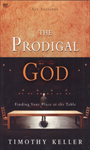
covered the parable. Then I read The Prodigal God by Timothy Keller and
found yet greater depth to this marvelous parable.
Keller adds to our understanding of this parable in his analysis
of the elder son, who represents the self-righteous Pharisees to whom Jesus told
this parable. Keller exposes how the elder son desired the same thing as the
younger son, his father’s possessions but not his father. Both brothers resented
their father. Both were equally lost.
Keller challenges his readers to examine whether they have “an
elder-brother” spirit also. Do they believe they deserve better than what God
gives them? Do they possess a bitter spirit? Do they feel superior because of
their good works? Do they live joyless, slavish lives of fear and uncertainty?
Are their prayer lives anemic? Keller contends that the church is full of
elder-brother types.
Perhaps Keller’s greatest contribution comes when he suggests
that Jesus’ listeners would have been aware of a glaring omission in His
parable. The cultural context (as well as the biblical context) of the story
anticipates a true elder brother who would have left his father and the comforts
of home to search for his lost younger brother. He would have pursued him until
he found him, and then he would have brought him home to their father with much
rejoicing. Keller insightfully states, “By putting a flawed elder brother in the
story, Jesus is inviting us to imagine and yearn for a true one.” And who else
could be our wonderful, true elder brother except Jesus?
If these pearls of wisdom are not sufficient to warrant picking
up The Prodigal God, Keller explores the meaning of coming home and our
longing for home, the very place the Prodigal yearned for after he came to his
senses. If the parable of the Prodigal continues to haunt and beckon you, as it
has me, then you must read Keller’s short but insight-packed book. You will come
away convicted, but you will also come away understanding more about the depth
of gospel love and grace. You will come away loving Jesus even more as your true
elder brother who was committed to finding you and bringing you back home to the
Father.
— Will Hesterberg, CEP Committee Member